
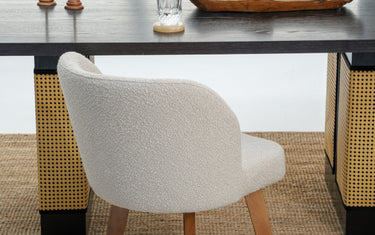
Today, half of people working from home use spaces like the kitchen or dining table as their workspace, which often blurs the line between a desk and a table in daily life. In this guide, we explain the real difference between desk and table design so you can choose the right piece for work, dining, or multi‑purpose living.
Key Takeaways
|
Question |
Short Answer |
|
What is the basic difference between table and desk? |
A desk is designed for one person to work, usually with storage and cable management. A table is a shared flat surface for dining or gathering, typically without built‑in storage. |
|
Is a desk a table? |
Functionally, a desk is a type of table, but in interiors we use “desk” for dedicated work surfaces and “table” for dining or shared activities. |
|
What is the difference between desk and table definition in home design? |
In design, “desk” means a personal workstation, while “table” means a communal or multi‑use surface like a dining or coffee table. |
|
What is the difference between a desk and a computer table? |
A computer table focuses on device placement and cable paths. A desk offers that plus storage, broader work area, and a more refined presence in the room. |
|
When should I choose a desk vs table for my home office? |
Choose a desk if you work daily and need organization. Choose a table if the space must stay flexible for dining or entertaining. |
|
Which Art Dei Marmi collections relate to desk and table difference? |
Our dedicated desks collection and our curated dining tables collection show this difference in real designs. |
1. Desk vs Table: Clear Definitions For Modern Homes
When we talk about the difference between desk and table definition in real interiors, we are mainly talking about function, proportion, and presence in a room. A desk is designed as a personal workstation, while a table is created as a shared surface for meals, meetings, or display.
In simple terms, if one person primarily uses it to focus and work, we usually call it a desk. If several people sit around it to eat, talk, or gather, we usually call it a table.
Desk vs Table: Core Functional Difference
The main desk and table difference comes from intent. Desks support tasks like writing, drawing, or using a computer, often with space to store essentials close at hand.
Tables, on the other hand, highlight the surface itself. They are designed to host people, plates, laptops, or decor, without fixed storage attached.
Is a Desk a Table?
Technically, yes. From a purely structural point of view, a desk is a type of table, since both are flat surfaces supported by legs or a base.
However, in design language, we separate “desk vs table” because their dimensions, ergonomics, and styling choices are guided by different daily routines.
2. Design Anatomy: How Desks And Tables Are Built Differently
Beyond names, the real desk vs table difference appears in the way each piece is constructed. Typical desk dimensions often range around 48 to 72 inches in width, 24 to 36 inches in depth, and 28 to 30 inches in height, which suits a single seated user.
Dining tables tend to prioritize width and leg placement so people can sit around them comfortably, often with more generous lengths for 4, 6, or 8 guests.
Structural Features Of Desks
Desks usually concentrate support toward the sides or rear, leaving room for a chair and legs in front. They may incorporate modest cable routing or an overhang that feels comfortable when you pull in close.
In our marble desks, we pair stone tops with considered bases to keep the user’s seated posture natural for long hours of work.
Structural Features Of Tables
Tables, especially dining tables, need generous clearance around their perimeter. Bases are often central or in paired supports to allow chairs to slide in easily.
In marble dining tables, we use bases that carry the visual weight of the stone while still allowing comfortable seating on all sides.
 |
 |
3. Function And Use: How You Actually Live With Desks And Tables
Understanding the difference between table and desk becomes easier when you imagine your daily routine. A desk serves one focused user, often for longer stretches of time.
A table typically supports shorter, shared activities like meals, meetings, games, or occasional laptop use.
Typical Desk Uses
We design desks around tasks that demand concentration and order. Reading, writing, digital work, and creative projects all benefit from a consistent, ergonomic surface.
For many of our clients, a marble desk also becomes a visual anchor in a home office, reflecting a commitment to both work and style.
Typical Table Uses
Tables host connection. Family dinners, weekend breakfasts, and social gatherings all happen around a dining table.
While you can occasionally use a dining table as a temporary desk, over time the lack of tailored ergonomics and storage usually becomes apparent.

This infographic highlights the three key differences between desks and tables. It helps readers choose the right furniture for work and home.

4. Dimensions And Ergonomics: Comfort In Desk vs Table Design
When clients ask for the practical table and desk difference, we often begin with measurements. A well sized desk respects the human body in a focused seated position.
A dining table, however, balances seated comfort with the need to pass dishes, converse across the surface, and occasionally host decorative centerpieces.
Typical Desk Dimensions
Typical desks are around 28 to 30 inches high, a range that suits most office chairs and body heights. Width and depth are tuned so that your reach to the back of the surface remains comfortable.
Our marble desks, for example, are sized to keep your shoulders relaxed and your line of sight natural during laptop or writing work.
Typical Table Dimensions
Dining tables typically share a similar height band, yet they extend more generously in width or length to accommodate multiple place settings. Legroom around the perimeter is also critical.
We position table bases so your guests can slide in and out comfortably, without encountering corners or heavy supports at their knees.

5. Storage, Cables And Clutter: Practical Differences Between Desks And Tables
When you compare desk vs table in daily use, storage and cable control quickly become decisive. A desk is usually paired with drawers, hidden storage, or nearby cabinetry that belongs to the workspace.
A dining table normally stays visually clean, with storage handled by separate pieces like credenzas or sideboards.
Desks And Organization
Even when the desk itself has a minimalist silhouette, we plan the surrounding space to keep documents, devices, and accessories close but not visible. This is one of the most important desk and table differences for long term satisfaction.
Thoughtful desk setups often include space for cable routing and charging, so the surface remains visually calm even when fully in use.
Tables And Visual Lightness
Tables are usually kept free of fixed storage so they can reset easily between functions. A dining table can move from breakfast to laptop session to dinner, simply by clearing the surface.
In luxury materials like marble or travertine, this clarity allows the stone itself to remain the focal point of the room.
6. Aesthetic Presence: How Desks And Tables Shape A Room
The visual language of a desk vs a table is another subtle but important difference. Desks usually signal focus, privacy, and work.
Tables usually signal gathering, hospitality, and shared time.
Desks As Personal Statements
A marble desk in a living room or dedicated office quietly sets aside a place for intention and productivity. The material choice becomes part of your daily ritual.
Finishes like beige marble or Italian travertine complement calm, contemporary interiors while still standing as sculptural pieces in their own right.
Tables As Social Centers
Dining tables anchor spaces where stories are shared. Their proportions and finishes need to feel welcoming from every angle.
A marble dining table often becomes the visual and social center of an open plan living area, connecting cooking, eating, and conversation zones.
7. What Is The Difference Between A Desk And A Computer Table?
Many clients ask specifically, “what is the difference between a desk and a computer table?” The two are related, but they do not always serve the same needs.
A computer table prioritizes device placement and airflow, while a desk looks after the entire working experience.
Computer Table Characteristics
A computer table usually offers a simple top, perhaps a keyboard tray, and some allowance for cables. It is intentionally minimal and focused on the machine.
In smaller apartments, people may use a compact dining table as a computer table, although it is not designed around long hours of focused use.
Desk Characteristics
A desk is more generous. It provides space for writing, sketching, spreading out documents, or combining digital and analogue work.
In our collection, desks in marble or travertine are treated as long term investments in both comfort and aesthetics, not just a surface for a device.

8. Real Examples: Desk And Table Difference In Art Dei Marmi Designs
Looking at actual pieces makes the table vs desk contrast easier to see. In our collections, the intent behind each design is very deliberate.
Here are a few examples that illustrate the difference between desk and table in practice.
Desks: Serica, Vellaro, Lumora
-
Serica Beige Marble Desk at Dhs2,888.00 pairs a refined beige marble top with a base sized for one user, ideal for a dedicated home office.
-
Vellaro Beige Marble Desk at Dhs2,888.00 emphasizes a sculpted base and a personal work surface, again for one main user.
-
Lumora Italy Travertine Marble Desk at Dhs4,875.00 uses Italian travertine and a wooden base for a warmer, tactile workstation.
Dining Tables: Cela, Elora, Liva
-
Cela Beige Marble Dining Table at Dhs2,150.00 offers clean lines and enough surface area to host several diners.
-
Elora Marble Dining Table at Dhs3,050.00 and Elora Wooden Base and Volacas Marble Dining Table at Dhs3,050.00 both feature Volakas marble tops with bases planned for seating all around.
-
Liva Travertine Marble With Wooden Base Dining Table at Dhs3,250.00 combines travertine richness with a base intended for gatherings.
9. Desk vs Table For Small Spaces And Hybrid Rooms
In compact homes, the question is often not “desk vs table” but “how can one surface gracefully do both?” Many people place a workstation in a dining area or use a corner for both dining and working.
In these cases, understanding table and desk difference helps you prioritize what matters most to your lifestyle.
Choosing When Space Is Limited
If you work from home full time, a dedicated desk is usually the better long term decision, even in a small room. You can then choose a more compact dining table or a multi functional console table nearby.
If you work occasionally from home and entertain often, a generous dining table that can temporarily act as a desk may suit you better.
Design Tips For Hybrid Use
-
Use a slim, elegant desk that visually reads as a console when not in use.
-
Keep a small set of desk accessories that can be quickly stored away at dinner time.
-
Choose materials, like marble or travertine, that feel appropriate for both work and entertaining.
10. Care, Materials And Longevity In Desk vs Table Choices
Whether you choose a desk or a table, the material and craftsmanship will define how long the piece serves you. Marble and travertine bring a timeless quality to both work and dining spaces.
However, the way you use the surface will differ slightly between a desk and a table.
Material Considerations
On a desk, you may slide laptops and stationery more frequently, so a suitable finish and proper handling matter. On a table, you may place hot dishes or beverages, which also require attention.
We always recommend following a dedicated care guide for marble and stone pieces, regardless of whether they are desks or tables.
Protecting Your Investment
Using coasters, placemats, and gentle cleaners will extend the beauty of both desks and tables. Choosing a design with a robust base is equally important, especially with heavier stones.
A well cared for marble desk or dining table will outlive trends and continue to feel relevant in different interior styles over time.
11. Quick Comparison: Difference Between Desk And Table At A Glance
To close, it helps to see the desk and table difference summarized side by side. This makes it easier to decide which direction suits your next purchase.
Use this table as a simple reference when you discuss options with your designer or consider our collections.
|
Aspect |
Desk |
Table |
|
Primary purpose |
Personal work, study, computer use |
Dining, gathering, shared activities |
|
Typical user |
One person at a time |
Multiple people at once |
|
Design focus |
Ergonomics, organization, cable routing |
Seating space, circulation, visual openness |
|
Storage |
Often paired with drawers or shelves |
Usually separate, not attached |
|
Ideal for |
Home offices, studies, focused corners |
Dining rooms, living areas, open plan spaces |
|
Material presence |
Personal statement piece |
Social centerpiece |
Conclusion
The difference between desk and table is not just a matter of vocabulary. It is about how you live, work, and gather in your space.
A desk is a personal commitment to focus and craft. A table is an invitation to share time and stories. When you understand table vs desk in these terms, choosing between them becomes less confusing and more about honoring the way you truly use your home.
