Travertine has quietly become one of the most beloved materials in modern interior design. It’s warm, textural, timeless, and grounding, everything people now crave in calming, nature-inspired homes. For centuries, this stone has been admired for its durability and understated elegance, appearing in ancient architecture, luxury villas, boutique hotels, and today’s minimalist homes.
At Art Dei Marmi, we work with travertine daily, shaping it into dining tables, coffee tables, side tables, consoles, and desks. Its organic beauty and unique texture make it impossible to replicate artificially.
This guide breaks down everything you need to know about travertine, what it is, where it comes from, the different types and finishes, its wide range of natural colors, and why it continues to be one of the most desirable stones in contemporary interiors.
What is Travertine?
Travertine is a natural stone formed through mineral deposits from hot springs and limestone caves. Over thousands of years, mineral-rich water flows through underground limestone, dissolving calcium carbonate and carrying it along its path.
When this water emerges to the surface or fills underground cavities, the minerals slowly settle and harden into stone. The result is a beautifully textured material filled with tiny pores created by escaping gas bubbles during formation.
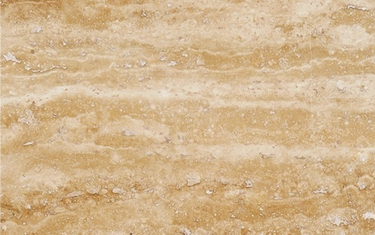
These natural pits and soft linear patterns give travertine a look that is rustic yet refined. While marble is known for high shine and dramatic veining, travertine is earthy and soothing. It’s softer than marble but more detailed and expressive than plain limestone. Travertine feels “alive”, every piece containing subtle patterns that reflect its slow geological formation.
A Brief History of Travertine in Architecture
Travertine has an impressive architectural pedigree. Ancient Romans adored the stone and used it extensively in monuments, temples, theaters, and public squares. The Colosseum, one of the most iconic structures ever built, is primarily made of travertine. Romans appreciated its durability and beauty, using it to symbolize strength and sophistication.
Throughout history, travertine appeared in Renaissance palaces, Baroque fountains, cathedrals, and later in luxury hotels and mid-century modern buildings. Its ability to age gracefully earned it a permanent place in high-end design. Today, travertine has made a strong comeback due to its calming, organic aesthetic that fits perfectly with modern interior design trends.
Physical Characteristics of Travertine
Travertine stands out for a few defining qualities:
Porosity: Its tiny natural holes are part of its charm. These can be left open for rustic appeal or filled for a smoother finish.
Veining and Patterns: Travertine features soft linear movement or cloud-like patterns depending on the cut.
Texture: It can be matte, polished, honed, brushed, or tumbled.
Warmth: Travertine’s palette tends to be warm, making spaces feel inviting and grounded.
Why Travertine Became a Luxury Favorite?
Travertine’s popularity today isn’t a coincidence.
-
People crave interiors that feel natural and soothing, and travertine fits this desire perfectly.
-
Its warm tones soften modern architecture, making spaces feel calmer and more livable.
-
Its versatility is another major factor; you can use it in flooring, wall cladding, or as sculptural furniture.
Each slab is uniquely patterned, giving furniture pieces at Art Dei Marmi a one-of-a-kind identity. Travertine also carries a sense of authenticity; nothing about it feels manufactured or overly polished unless intentionally finished that way.
Main Types of Travertine
Travertine is available in many forms based on how it’s processed:
Filled Travertine: The natural pits are filled with resin or cement, creating a smooth contemporary surface ideal for furniture.
Unfilled Travertine: Holes remain exposed, offering a raw, organic appeal. Great for rustic or earthy interiors.
Honed Travertine: Matte, soft finish with minimal reflection, one of the most popular choices for modern homes.
Polished Travertine: High shine, elegant, reflective. Adds a luxurious touch similar to marble.
Tumbled Travertine: Edges and surfaces are softened for an old-world look.
Brushed Travertine: Slightly textured surface with a natural, weathered feel.
Vein-Cut Travertine: Stone is cut along the layers, revealing dramatic straight veining.
Cross-Cut Travertine: Cut perpendicular to the layers, showing cloud-like, soft patterns.
Travertine Color Categories
Travertine comes in a variety of natural shades, each formed through unique mineral compositions:
Classic Beige Travertine: Warm, neutral, timeless. It is perfect for minimal and Mediterranean interiors.
Ivory Travertine: Soft, light, elegant. Ideal for bright, airy spaces.
Silver Travertine: Grey, white, and cream tones mixed with soft movement, modern and sophisticated.
Walnut Travertine: Rich brown and beige tones that add warmth and depth.
Noce Travertine: Deep chocolate shades with a dramatic presence.
Gold Travertine: Warm golden hues with beautiful movement, luxurious and eye-catching.
Red Travertine: Bold, powerful, rare. Often used for statement pieces.
White Travertine: Clean and modern, perfect for modern minimalism.
How Travertine Colors Form Naturally?
Travertine’s coloring is shaped by natural minerals like iron, magnesium, and organic sediments.
-
Iron oxides create gold, red, and brown tones.
-
Magnesium creates cooler silver and grey hues.
-
Purity of calcium carbonate results in cream or white tones.
Water movement, temperature changes, and pressure layers all contribute to the natural patterns that make each slab unique.
Advantages of Travertine Furniture
-
Incredibly durable and long-lasting.
-
Each piece is a unique natural artwork.
-
Timeless, warm, and elegant aesthetic.
-
Low maintenance with proper sealing.
-
Complements nearly any interior palette.
How to Maintain Travertine Furniture?
Travertine is easy to care for with simple habits:
-
Clean with mild soap and warm water.
-
Use coasters and mats to avoid stains.
-
Reseal periodically to maintain protection.
-
Avoid harsh acidic cleaners.
-
Wipe spills quickly to keep the stone looking fresh.
With proper care, travertine can last for generations.
Travertine vs. Marble vs. Limestone
|
Feature |
Travertine |
Marble |
Limestone |
|
Texture |
Porous, earthy |
Dense, veined |
Soft, uniform |
|
Appearance |
Warm and natural |
Elegant and glossy |
Subtle and matte |
|
Best For |
Furniture, walls, floors |
Luxury interiors |
Rustic designs |
How to Choose the Right Travertine Color for Your Home?
-
Warm lighting? Choose beige, gold, or walnut.
-
Cool lighting? Silver or ivory works beautifully.
-
Minimalist interiors? White or vein-cut travertine shines.
-
Earthy spaces? Noce and classic beige blend seamlessly.
Consider your room’s natural light, furniture style, and colour palette for the best match.
Conclusion
Travertine is not just a natural stone; it’s a material with character, history, and soul. Its warm tones, natural patterns, and style make it one of the most versatile choices for modern homes. If you’re furnishing a living room, dining area, or office, travertine furniture from Art Dei Marmi brings nature’s artistry into your space.